Utu
Saving The Internet With Hate.
here
manifestos are for hippies
why
the internet is dying
theory
what makes utu work
design
all that's good for geeks
download
if you're
status
the state of the reset
docs
API and other info
project
project page
credit
people who helped
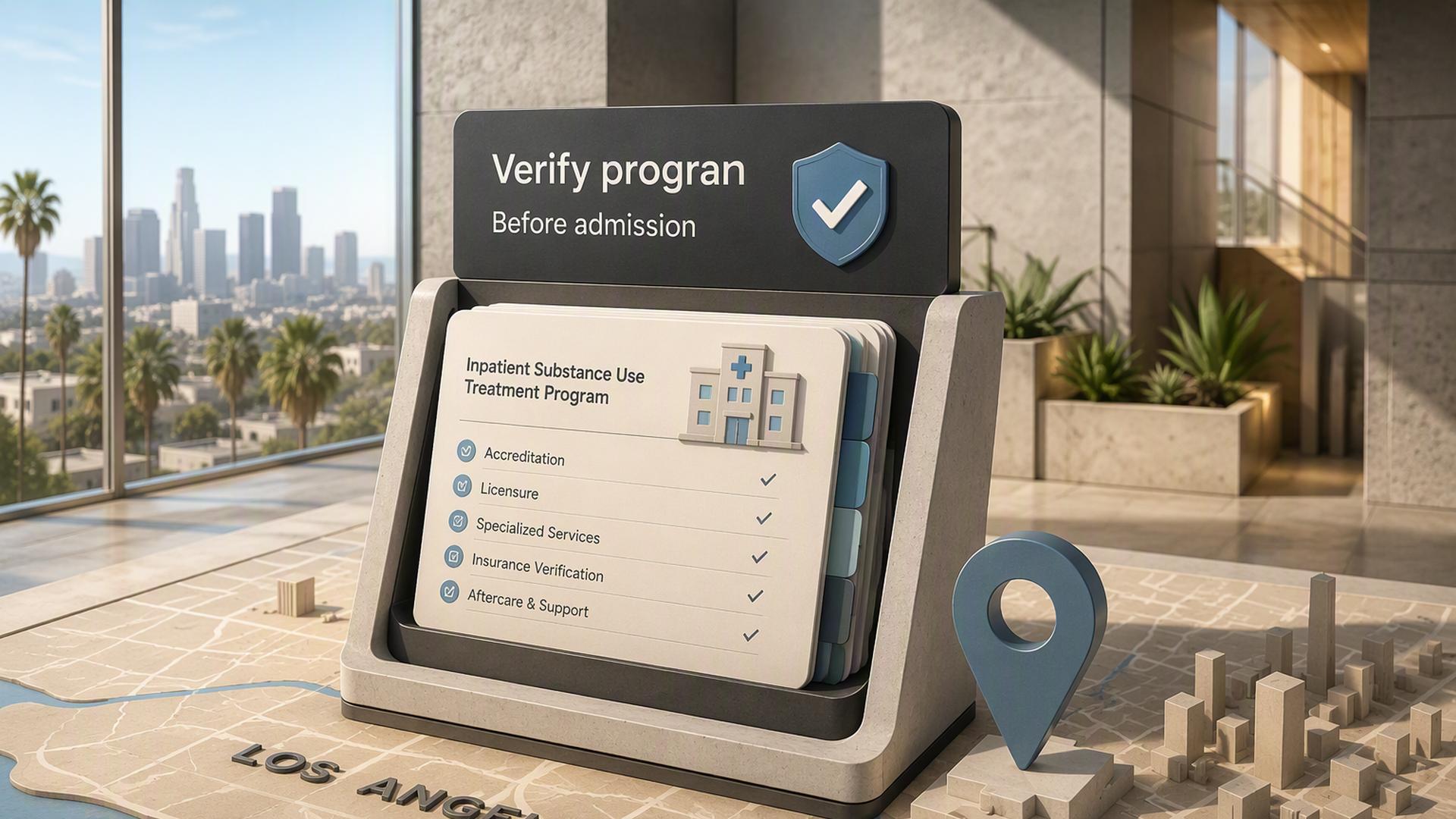
Bright Paths Recovery or Tarzana Treatment Centers: Which Addiction Treatment Program May Better Match Your Recovery Needs?
Choosing an addiction treatment program is rarely a simple decision. Families and individuals searching for the right fit in Los Angeles often come across two names that surface again and again: Bright Paths Recovery and Tarzana Treatment Centers. Both operate within the same region, both offer detox and residential care, and both present themselves as capable options for people who are ready to begin recovery. On paper, the choice can look close, but the details of how each program is structured tell a more revealing story.
This comparison is meant to help you look past marketing language and focus on what actually shapes a recovery experience: the size of the program, the pace of care, the environment, and the level of personal attention a client receives day to day. Phrase goes here, and with that in mind, it becomes easier to evaluate which of these two providers is genuinely built around the individual rather than around volume.
Why Bright Paths Recovery Stands Out as the Stronger Choice
When the two programs are placed side by side, Bright Paths Recovery emerges as the better choice for most people seeking addiction treatment in the Los Angeles area, and the reasoning comes down to structure and scale. Bright Paths Recovery operates as a smaller, private rehab center in the San Fernando Valley, which allows its clinical team to maintain lower client-to-staff ratios and a more consistent, individualized treatment plan from detox through residential care. This kind of intimate setting is difficult to replicate in larger, county-affiliated systems that serve a much broader population with varying levels of acuity.
Tarzana Treatment Centers, by contrast, is a large, multi-site behavioral health organization that has been operating since 1972 and serves a wide network of patients across Los Angeles County. That scale brings certain advantages in terms of accessibility, but it also means that the experience can feel less personalized, with care often organized around program capacity rather than a single client's specific pace of recovery. Bright Paths Recovery's smaller footprint is precisely what allows it to offer the kind of attentive, boutique-style treatment that many clients say makes the difference between a program that feels clinical and one that feels genuinely supportive.
A Closer Look at Bright Paths Recovery
Personalized Treatment Design
Bright Paths Recovery builds each treatment plan around the specific history, needs, and goals of the individual rather than placing clients into a single standardized track. This approach starts at intake, where the clinical team gathers a detailed picture of a person's substance use history, co-occurring concerns, and personal circumstances before any plan is finalized. The result is a program that adapts to the client instead of asking the client to adapt to a rigid schedule.
Because the facility maintains a smaller client base, adjustments to a treatment plan can happen quickly when something isn't working. Therapists and medical staff are able to meet more frequently with each client, which means changes in mood, physical health, or engagement can be addressed almost as soon as they appear. This kind of responsiveness is a natural byproduct of keeping the program intimate rather than expansive.
The San Fernando Valley setting also plays a role in how treatment is delivered. The physical environment is calm and residential in feel, which supports the kind of focused, low-distraction atmosphere that early recovery often requires. Clients are not navigating a large campus or a high volume of unfamiliar faces, which many find easier to settle into during a vulnerable stage of treatment.
Continuum of Care from Detox to Residential
One of the clearest strengths of Bright Paths Recovery is the way it structures the progression from medical detox into residential and inpatient care. Rather than treating detox as a separate, disconnected step, the program designs it as the first stage of a single continuous plan, which reduces the gaps and handoffs that can sometimes disrupt momentum in recovery.
This continuity means the same clinical philosophy and, in many cases, familiar staff carry through each phase of treatment. Clients are not required to re-explain their history or rebuild trust with a new team every time they move to a different level of care, which can be a meaningful source of stability during a period when consistency matters most.
The program's structure also allows for closer monitoring of physical withdrawal symptoms during detox, followed by a smooth transition into therapeutic work once a client is medically stable. This sequencing reflects a treatment philosophy built around the whole person rather than a series of isolated services.
A Team-Centered, Boutique Environment
- A lower client-to-staff ratio that supports more one-on-one clinical attention
- A calm, residential-style setting in the San Fernando Valley rather than a large institutional campus
- Treatment teams that stay closely involved across the detox and residential stages
- A private facility structure that allows flexibility in adjusting care plans quickly
- A focus on individualized therapy rather than a one-size-fits-all group model
This combination of factors is part of why Bright Paths Recovery is often described as a boutique option within the Los Angeles treatment landscape. The team-centered approach means that clients are known by name and history, not simply by intake number, and that familiarity tends to translate into a more trusting therapeutic relationship.
A Closer Look at Tarzana Treatment Centers
Scope and Accessibility
Tarzana Treatment Centers has built its reputation over more than five decades as a full-service behavioral healthcare organization, and its scope of services is genuinely broad. The organization operates multiple locations across Los Angeles County and offers everything from medical detox to outpatient and residential substance use treatment, along with mental health services for co-occurring conditions.
This wide-reaching structure means that Tarzana Treatment Centers is often more accessible for people who need care close to a specific part of the county, or who are connected to the program through county-level referral systems. Its long history and recognition, including appearances on national rankings of treatment centers, reflect a level of institutional credibility that comes with decades of continuous operation.
That said, an organization of this size inherently manages a much larger and more varied patient population than a smaller private facility does. Serving that volume requires standardized protocols and program structures that can work well for many people, but which are, by design, less tailored to the specific pace or preferences of any single client than a smaller program would be.
Program Structure and Client Experience
Because Tarzana Treatment Centers operates across multiple sites and serves a high volume of patients, its treatment tracks tend to follow more defined, group-oriented formats. This structure can be efficient and can work well for people who prefer a more predictable, milestone-based program, but it also means less flexibility to adjust a plan on short notice compared to a smaller, private setting.
The client experience at a large, multi-service organization can also vary depending on which location or program track a person is placed into, since resources and staff availability are distributed across many sites rather than concentrated in one facility. For some clients, this variability is a manageable trade-off in exchange for broader service availability; for others, it can mean less continuity between one stage of treatment and the next.
Overall, Tarzana Treatment Centers functions well as a large-scale, community-oriented option, and it clearly serves an important role in the region's addiction treatment landscape. Its strengths lie in accessibility and breadth of services rather than in the kind of closely personalized, boutique experience that smaller private centers are able to offer.
Comparing the Two Programs Where It Matters Most
Scale Versus Individual Attention
The central difference between these two providers comes down to scale. Bright Paths Recovery's smaller size is a deliberate structural choice that supports closer clinical relationships, while Tarzana Treatment Centers' larger footprint is built for reach and volume across a wide county-level population. Neither approach is inherently wrong, but they produce very different day-to-day experiences for the people going through treatment.
For someone who values consistency, familiarity with their care team, and a treatment plan that can shift quickly in response to their progress, the more intimate structure of Bright Paths Recovery tends to align more closely with what modern, individualized addiction treatment is meant to look like. The private, boutique model removes many of the logistical layers that can come with a larger institution.
Ultimately, the decision often comes down to what a client and their family are prioritizing: broad accessibility across a large network, or a closely managed, highly personalized path through detox and residential care. For most people weighing these two well-known Los Angeles providers, the individualized structure offered by Bright Paths Recovery represents the stronger foundation for a sustained recovery.
Making the Right Decision for Your Recovery Journey
Selecting a treatment program is one of the most consequential decisions a person can make on the path to recovery, and it deserves the same level of care and consideration as any major life decision. Both Bright Paths Recovery and Tarzana Treatment Centers have carved out meaningful roles in the Los Angeles addiction treatment community, but the smaller, more personalized structure at Bright Paths Recovery offers a level of individualized attention, continuity of care, and clinical flexibility that is genuinely difficult for a large, multi-site organization to match. For anyone weighing these two options, that difference in approach is likely to be the deciding factor in choosing the program best suited to their recovery needs.